A campaign against fake news
Orbit makes it easy to understand the news, see where reliable outlets agree and disagree, and check every fact for yourself. Free, for everyone.




False news travels faster than the facts
Most people don’t have time to read five outlets to find out what actually happened, so they read one headline, or none, and move on. That gap is where rumor, spin and fake news thrive.
Orbit closes it. Instead of asking you to trust a single source, we show you what several independent outlets confirm, side by side, in a few minutes.

Five rules behind every brief
- Rule 01
We read many outlets
Every brief draws on reporting from at least three independent publishers.
- Rule 02
We keep what they agree on
A fact appears only when two or more sources report it. Single-source claims are left out.
- Rule 03
We show disagreement
When outlets disagree, we show both readings under “Where sources differ” and don’t pick a side.
- Rule 04
Every line links back
Each sentence carries numbered citations, so you can check it against the original in one click.
- Rule 05
A person signs off
Briefs are written with AI assistance and reviewed by an editor before they’re published.
A healthy community depends on people sharing a common set of facts. Orbit is free so that cost is never the reason someone settles for a rumor.
Better decisions
When you can see what’s confirmed and what’s still disputed, you decide better about your money, your work and your vote.
Harder to fool
Rumors rarely survive a side-by-side check. Seeing several outlets at once makes spin easier to spot.
Journalism gets credit
Every brief links its sources and sends readers back to the newsrooms doing the reporting.
The Daily Brief and Orbit Magazine

The Daily Brief
The day’s most important finance, business, tech, entertainment, sports, science and lifestyle stories, each based on reporting from multiple outlets.
Read today’s brief
Orbit Magazine
Original stories, reported by community correspondents in the places they live.
Join the waitlist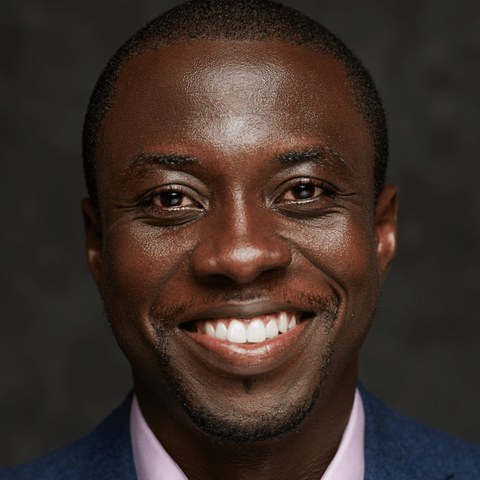 Edited by Emmanuel Nyame, Editor-in-Chief
Published by Twelvenets LLC, Austin, Texas
Edited by Emmanuel Nyame, Editor-in-Chief
Published by Twelvenets LLC, Austin, Texas